
Endometriosis
What can Physiotherapy do to help?
By Erin Brighenti
19/01/2026
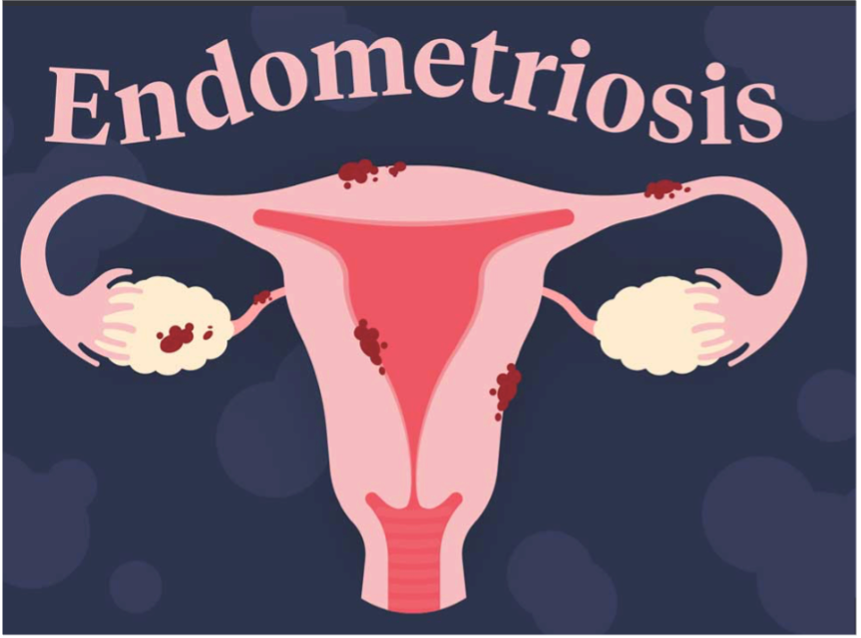
Endometriosis is a chronic health condition where tissue similar to the lining inside the uterus (endometrium) grows outside the uterus. This can cause severe pain and affect daily activities and in severe cases lead to infertility concerns. The tissue behaves like the uterine lining, thickening, breaking down, and bleeding with each menstrual cycle. This can lead to inflammation, scarring, and adhesions within the body.
- 1 in 9 women and people assigned female at birth are affected by endometriosis, which translates to approximately 830,000 Australians.
- Endometriosis often causes severe pain and affects individuals in their reproductive years, often starting in teenage years, though it can occur at any age.
- On average, it takes 6.5 years for a person to receive an accurate diagnosis after the onset of symptoms.
Diagnosis:
Endometriosis can only be diagnosed through a Laparoscopy surgery where tissue biopsies are taken and assessed to confirm diagnosis.
A Physiotherapist’s role in Endometriosis.
It is not always necessary to have a laparoscopy surgery. Endometriosis can result in secondary symptoms that physiotherapists can assist with. These include:
- Pain that stops you on your period, often resulting in days off school or work
- Pain in your pelvis, lower back or abdominal region
- Ovulation pain
- Painful intercourse (dyspareunia) or pain with insertion of tampons
- Persistent daily pain
- Bladder Dysfunction (including urgency, frequency, difficulty emptying)
- Bowel dysfunction (including constipation, difficulty emptying, anal pain)
- Pelvic floor dysfunction
- Inability to participate in exercise due to pain
Physiotherapy Appointments:
A pelvic floor physiotherapy assessment is likely to include extensive questioning of your pelvic floor health, as well as a physical assessment which may involve an internal vaginal assessment.
Physiotherapy treatment options will vary depending on the individual’s symptoms and goals. Management and treatment options we may suggest include:
- Pelvic floor relaxation training
- Manual release work to the pelvic floor and surrounding muscles (internal and external muscles)
- Bladder training
- Bowel training
- Breathing techniques
- Stretching and appropriate strengthening exercises
- Pain education and management strategies
Physiotherapy can help to reduce pain, improve bladder and bowel function and improve your pelvic floor muscle function. The goal of physiotherapy is to help provide you with strategies to manage your symptoms and improve your quality of life. If you would like to book an appointment or have further questions, feel free to call the clinic on (02) 4268 4884 or book online.